Related service at Sleep and Lung Care: Respiratory physician consultations
Introduction
Vaping was once promoted as a safer alternative to smoking, but the dangers of vaping are becoming increasingly clear — from lung damage and nicotine addiction to effects on heart health. This article explains the main risks and how to quit. If vaping has left you coughing or short of breath, our Melbourne respiratory physicians can help.
What Is Vaping?
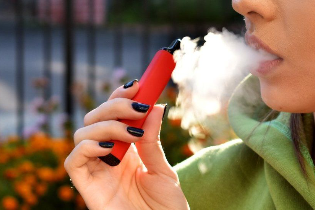
Vaping refers to the act of inhaling vapour produced by an electronic cigarette or similar device. These devices, commonly known as e-cigarettes or vape pens, work by heating a liquid (commonly called “e-liquid” or “vape juice”) that contains various chemicals, including nicotine, flavourings, and other additives. The heated liquid turns into a vapour, which is then inhaled.
The e-liquid often contains:
- Nicotine: A highly addictive substance found in tobacco.
- Flavourings: Chemicals used to create various flavours, some of which are safe for eating but not for inhaling.
- Propylene glycol and vegetable glycerin: Substances used to create the vapour.
- Other chemicals: These can include harmful substances like heavy metals and formaldehyde.
Health Risks of Vaping
While vaping may initially seem like a less harmful alternative to smoking traditional cigarettes, research shows that it can pose significant health risks. Here are some of the dangers associated with vaping:
Lung Damage
One of the most alarming risks of vaping is its impact on lung health. During the 2019 US outbreak, a surge in cases of vaping-associated lung injury was reported, often referred to as EVALI (e-cigarette, or vaping, product use-associated lung injury). Symptoms can range from shortness of breath and coughing to severe lung damage, leading to hospitalisation and, in extreme cases, death.
E-cigarette vapour contains various chemicals that can damage the delicate tissues of the lungs, including:
- Diacetyl: A chemical flavouring agent linked to bronchiolitis obliterans (also known as “popcorn lung”), a serious lung disease that can lead to permanent lung damage.
- Volatile organic compounds: These can irritate and inflame the lungs.
- Heavy metals: Tiny metal particles like nickel, tin, and lead have been found in the vapour, which can be harmful when inhaled.
Nicotine Addiction
Many e-liquids contain nicotine, which is highly addictive. In fact, some vape pods contain as much nicotine as an entire pack of cigarettes. Vaping can lead to addiction, especially in young people whose brains are still developing, making them more vulnerable to the effects of nicotine.
Nicotine addiction can have several negative effects, including:
- Increased heart rate and blood pressure.
- Harm to adolescent brain development, affecting memory, learning, and attention.
- Mood disorders: Nicotine can trigger or worsen symptoms of anxiety and depression.
- Gateway to smoking: Studies show that teens who vape are more likely to start smoking traditional cigarettes, exposing them to even more health risks.
Impact on Heart Health
Vaping has been linked to increased risks of cardiovascular issues. Nicotine is known to increase heart rate and raise blood pressure, leading to higher risks of heart attack and stroke. Additionally, the chemicals in vape liquids can cause inflammation and damage to blood vessels, which further increases the risk of heart disease.
Potential Harm from Chemical Exposure
Vape liquids contain various chemicals that can be harmful when inhaled. While flavourings used in vape liquids may be safe for consumption in food, inhaling these substances can have toxic effects on the lungs. For example, flavouring agents like diacetyl, when inhaled, have been linked to severe lung diseases. Additionally, the vaporisation process can produce harmful by-products like formaldehyde, which is known to cause cancer in humans, and acrolein, which is classified as probably carcinogenic to humans.
Unknown Long-Term Effects
Since vaping is relatively new, its long-term health effects are not yet fully understood. However, early studies suggest that prolonged vaping could lead to chronic respiratory issues, cardiovascular disease, and even cancer. The effects of inhaling the combination of chemicals in vape liquids over many years are still being studied, but the outlook is concerning.
Vaping and Youth: A Growing Concern
One of the most worrisome trends is the increasing use of e-cigarettes among teens and young adults. Vaping is often marketed as “cool” and “safe,” leading many young people to start vaping without fully understanding the risks. With enticing flavours like bubblegum and mango, e-cigarettes appeal to younger generations, many of whom have never smoked traditional cigarettes.
The U.S. Centers for Disease Control and Prevention (CDC) reported that 7.8% of U.S. high school students had used e-cigarettes in the previous 30 days in its 2024 survey. This remains concerning for several reasons:
- Early nicotine addiction: The younger someone starts using nicotine, the harder it is to quit later in life.
- Brain development: Nicotine exposure during adolescence can interfere with brain development, potentially leading to cognitive and behavioural issues.
- Social influences: Teens who vape are more likely to engage in other risky behaviours, including smoking and substance use.
How to Quit Vaping
If you’re concerned about the risks of vaping, it’s important to know that quitting is possible. Here are a few strategies that can help:
- Set a quit date: Choose a date to quit and stick to it.
- Seek support: Reach out to friends, family, or online communities for support.
- Consider nicotine replacement therapy: Nicotine patches, gums, or lozenges can help manage cravings.
- Talk to a healthcare provider: Professional guidance and counselling can make a significant difference in your ability to quit.
Related reading: does vaping help you quit smoking?
Conclusion
While vaping may have been initially introduced as a safer alternative to smoking, the risks associated with it are becoming increasingly clear. From lung damage to nicotine addiction and unknown long-term health consequences, vaping poses serious dangers, especially to young people. If you’re currently vaping, it’s important to weigh these risks and consider quitting to protect your long-term health. Stay informed, make educated decisions, and prioritise your well-being.
Frequently asked questions
Can vaping damage your lungs?
Yes. Vaping has been linked to lung injury (EVALI), and chemicals in vape liquids — including diacetyl, volatile organic compounds and heavy metals — can irritate and damage lung tissue.
Should I see a doctor about symptoms from vaping?
If you vape and have ongoing cough, wheeze or shortness of breath, see your GP. A referral to a respiratory physician allows specialist assessment, including bulk-billed lung function testing at our Victorian clinics.
