Related service at Sleep and Lung Care: COPD and emphysema care
Home Oxygen Therapy in Patients with Severe COPD: A Lifeline for Improved Quality of Life
If you live with severe COPD, home oxygen therapy can prolong life when blood oxygen remains severely low at rest. This guide explains how home oxygen therapy for COPD works, who is eligible, and its main benefits — including funding support available to eligible Victorians through the State Wide Equipment Program (SWEP).
What is Home Oxygen Therapy?
Home oxygen therapy (HOT) involves supplemental oxygen delivered through nasal cannulas, face masks or other devices to increase the oxygen available to the lungs. It is prescribed after assessment of persistent low blood oxygen; breathlessness alone does not establish a need for oxygen. The aim is to maintain adequate blood oxygen in people who meet clinical criteria.
Oxygen therapy can be administered in various forms:
- Continuous oxygen therapy: Oxygen is delivered continuously over 24 hours to maintain constant blood oxygen levels.
- Intermittent oxygen therapy: This type of therapy provides oxygen only during specific activities, such as exercise or sleep, when oxygen levels tend to drop.
- Pulsed oxygen therapy: Oxygen is delivered in pulses or bursts, typically during inhalation, and is used to improve the efficiency of oxygen delivery.
Why is Home Oxygen Therapy Important for Severe COPD Patients?
For patients with severe COPD, home oxygen therapy serves as a critical intervention for managing the debilitating symptoms associated with the disease. When the lungs are unable to supply enough oxygen to the body, patients experience worsening shortness of breath, fatigue, and an inability to perform even simple tasks. By increasing the available oxygen, HOT helps to alleviate these symptoms and supports better respiratory function.
- Prevents Hypoxaemia Complications: One of the primary reasons home oxygen therapy is prescribed is to prevent the serious complications of hypoxaemia, which occurs when blood oxygen levels fall below the normal range. Hypoxaemia can cause a range of problems, including pulmonary hypertension (high blood pressure in the lungs), heart failure, and cognitive decline. By maintaining adequate oxygen saturation levels, HOT can reduce the risk of these complications.
- Improves Exercise Tolerance and Mobility: Severe COPD can limit a patient’s ability to exercise or engage in daily physical activities due to the increased demand for oxygen. The use of home oxygen therapy during physical exertion can help improve exercise tolerance, allowing patients to remain active for longer periods. This is especially important as regular exercise can strengthen the respiratory muscles, enhance lung function, and reduce the overall impact of the disease.
- Oxygen during sleep: Some people with COPD have low oxygen during sleep. Nocturnal oxygen may be prescribed after assessment of overnight oxygen levels and other sleep-related breathing problems. It has not been shown to improve sleep or daytime fatigue for everyone with COPD.
- Improves Mental Health and Cognitive Function: Chronic low oxygen levels can have a profound impact on mental health, contributing to feelings of anxiety, depression, and confusion. Additionally, long-term hypoxaemia can impair cognitive function, making it more difficult for patients to concentrate or remember things. By improving oxygen saturation, HOT can help mitigate these mental health challenges and improve cognitive function, providing patients with a greater sense of control over their daily lives.
Criteria for Home Oxygen Therapy in Severe COPD
Not all COPD patients require home oxygen therapy. The decision to initiate oxygen therapy is based on specific medical criteria, including:
- Oxygen saturation levels: Long-term oxygen therapy is considered for severe, persistent low oxygen while awake and at rest. Low oxygen only during sleep or exertion requires separate assessment.
- Arterial blood gas (ABG) results: Blood tests may measure oxygen and carbon dioxide levels. Oxygen may be prescribed for severe, persistent hypoxaemia (low blood oxygen). Hypercapnia (high blood carbon dioxide) needs separate assessment and careful treatment planning.
- Symptoms of Hypoxia: In addition to low oxygen levels, patients who experience significant shortness of breath, fatigue, or confusion may be candidates for home oxygen therapy.
- Smoking and Vaping Cessation: Patients must meet the current smoking and vaping abstinence requirements for safe home oxygen use and SWEP funding. Your respiratory physician will confirm the requirements that apply to you.
Benefits of Home Oxygen Therapy
- Prolonged survival: Long-term oxygen prescribed for at least 15 hours a day can prolong life in people with COPD and severe, persistent low blood oxygen at rest.
- Quality of life: Oxygen may help some eligible patients with daily activities, but benefit varies. In COPD with only moderately low oxygen at rest or during exercise, long-term oxygen has not shown a sustained quality-of-life benefit.
- Hospital admissions: Home oxygen is not proven to reduce hospital admissions for everyone with COPD. A trial in people with moderately low oxygen at rest or during exercise found no reduction in hospitalisation.
Challenges and Considerations
While home oxygen therapy provides numerous benefits, there are some challenges that both patients and carers must consider:
- Cost and Access: Although home oxygen therapy is highly effective, it can be expensive, and not all patients may have access to affordable equipment. However, eligible patients can have the cost of the therapy funded through the State Wide Equipment Program (SWEP), which helps with access to medical devices and support for those with chronic conditions. Insurance coverage and healthcare policies vary by region, so it’s important for patients to check eligibility.
- Adherence: Successful home oxygen therapy requires consistent use, and some patients may struggle with adherence. It’s essential for patients to understand the importance of using oxygen therapy as prescribed to experience the full benefits.
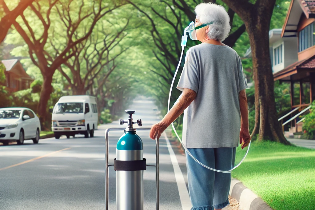
- Mobility and Portability: Portable oxygen concentrators have made it easier for patients to move around while on oxygen therapy, but these devices may still be cumbersome for some individuals. Finding a portable solution that fits the patient’s lifestyle is an important consideration.
Conclusion
Home oxygen therapy is a treatment for selected people with COPD and persistent low blood oxygen. It can prolong life in severe chronic resting hypoxaemia; benefits for activity, sleep and quality of life depend on the indication and the individual. Treatment involves practical challenges, including access, cost and regular use, so the expected benefits and burdens should be assessed for each person.
Frequently asked questions
Who qualifies for home oxygen therapy with COPD?
Home oxygen is prescribed after a respiratory assessment. Persistently low blood oxygen at rest is assessed differently from low oxygen only during sleep or exercise, smoking or vaping status is checked, and current SWEP eligibility rules apply. Your respiratory physician will assess eligibility.
Does home oxygen therapy help you live longer with COPD?
Prescribed long-term oxygen can prolong life in people with COPD and severe, persistent low blood oxygen at rest. Benefits in other groups need individual assessment.
